
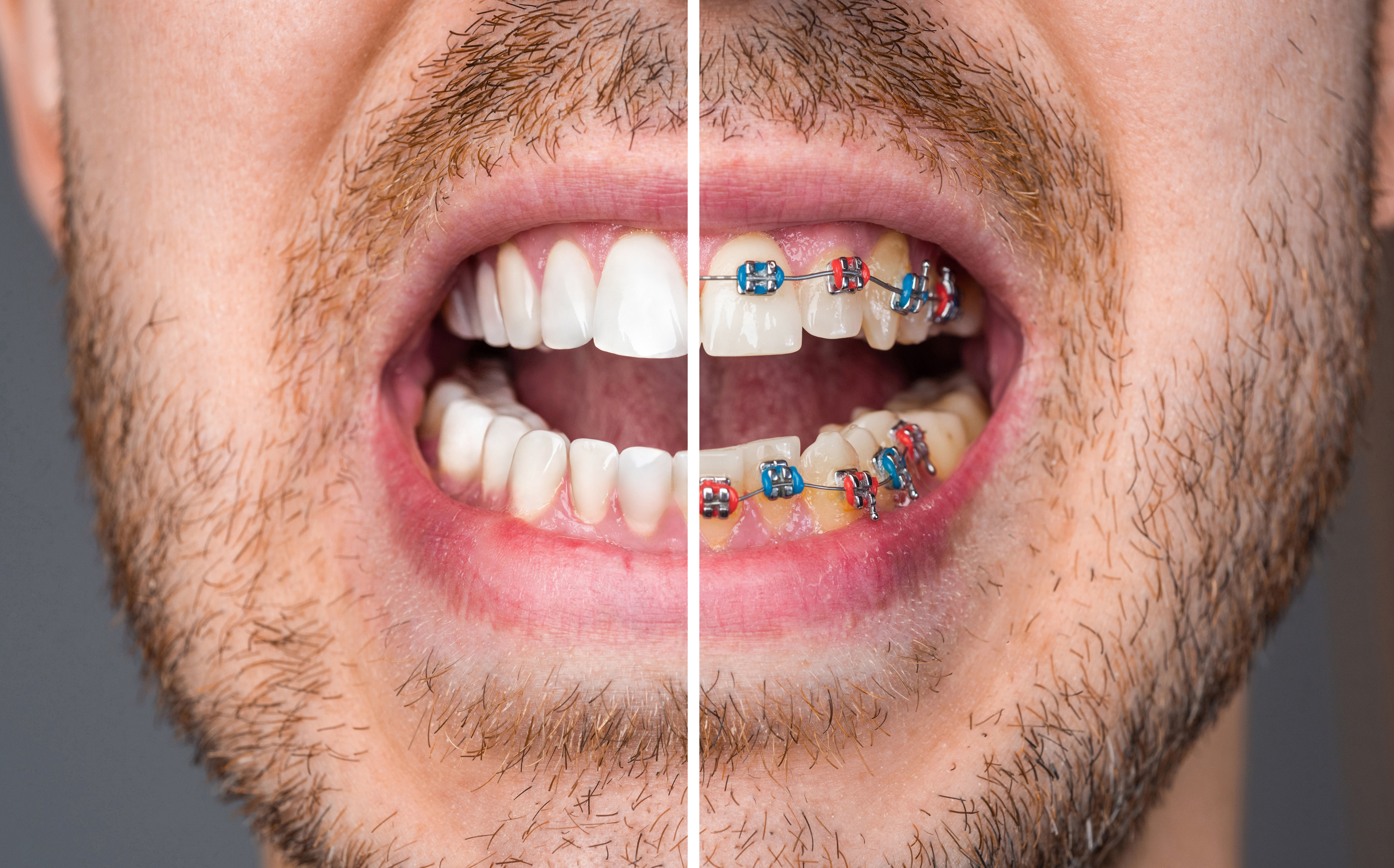
Choosing between dental implants and braces can feel confusing. Both options help improve your smile, but they serve different purposes. Dental implants replace missing teeth, while braces straighten crooked teeth. In this guide, we will compare dental implants vs braces. You will learn about their uses, costs, and which may suit you best. Understanding these options can help you make an informed choice for your dental health.
What Are Dental Implants?
Dental implants are artificial tooth roots. Dentists place them into your jawbone to hold a replacement tooth. Usually, people who have lost a tooth due to injury, decay, or disease may need dental implants. The procedure involves placing a small metal post in the jaw. After healing, a crown is attached to look and work like a real tooth. For many adults, dental implants offer a long-lasting solution. According to the American Dental Association, implants can last for many years with proper care.
What Are Braces?
Braces are devices that straighten teeth and fix bite problems. They use wires and brackets to gently move teeth into the right position. There are several types of braces, such as metal, ceramic, and clear aligners. Children, teens, and adults with crooked teeth or bite issues may need braces. Treatment usually lasts from one to three years. Braces can improve both the look and health of your teeth.
Key Differences Between Dental Implants and Braces
Pros and Cons of Dental Implants
Pros and Cons of Braces
How to Choose: Dental Implants or Braces?
Deciding between dental implants and braces depends on your needs. If you are missing teeth, dental implants may be best. But if your teeth are crooked or your bite is off, braces are likely the right choice. Age matters too. Children and teens usually get braces, while adults often choose implants. Your lifestyle and budget also play a role. For example, adults who want a fixed, natural-looking tooth may prefer implants. On the other hand, those looking to improve alignment may choose braces. Always talk to your dentist for advice tailored to you.
Frequently Asked Questions
Conclusion
In summary, dental implants and braces serve different purposes. Implants replace missing teeth, while braces straighten them. Each option has its pros and cons. Your age, dental needs, and lifestyle will help guide your choice. For the best results, consult a dental specialist to determine whether dental implants or braces are best for your needs.