
What is Bruxism?
Bruxism is the medical term for grinding or clenching your teeth. Many people do this at night without knowing. Because it often happens during sleep, it is called “teeth grinding at night.” Bruxism can harm your teeth and jaw. However, using night guards can help protect teeth from grinding and prevent damage.
Common Symptoms of Bruxism
Bruxism can cause several signs and symptoms. Sometimes, you may not notice them right away. But over time, these symptoms can become more obvious. Common symptoms include:
For example, you might notice your teeth feel rough or your jaw feels tight. If you have these symptoms, it is important to seek help.
Causes and Risk Factors
Bruxism can have many causes. Often, stress or anxiety can trigger teeth grinding at night. But other factors can also play a role. These include:
Additionally, children may grind their teeth during growth or while losing baby teeth. However, most outgrow this habit.
How Bruxism is Diagnosed
Usually, dentists diagnose bruxism during a dental checkup. They look for signs of tooth wear or jaw problems. Sometimes, your dentist may ask about your sleep habits or stress levels. In some cases, a sleep study may be needed. This helps rule out other sleep disorders. Early diagnosis can help prevent further damage.
Complications of Untreated Bruxism
If bruxism is not treated, it can lead to serious problems. For instance, you may develop:
Because these issues can affect your daily life, it is important to address bruxism early.
Night Guards: How They Work
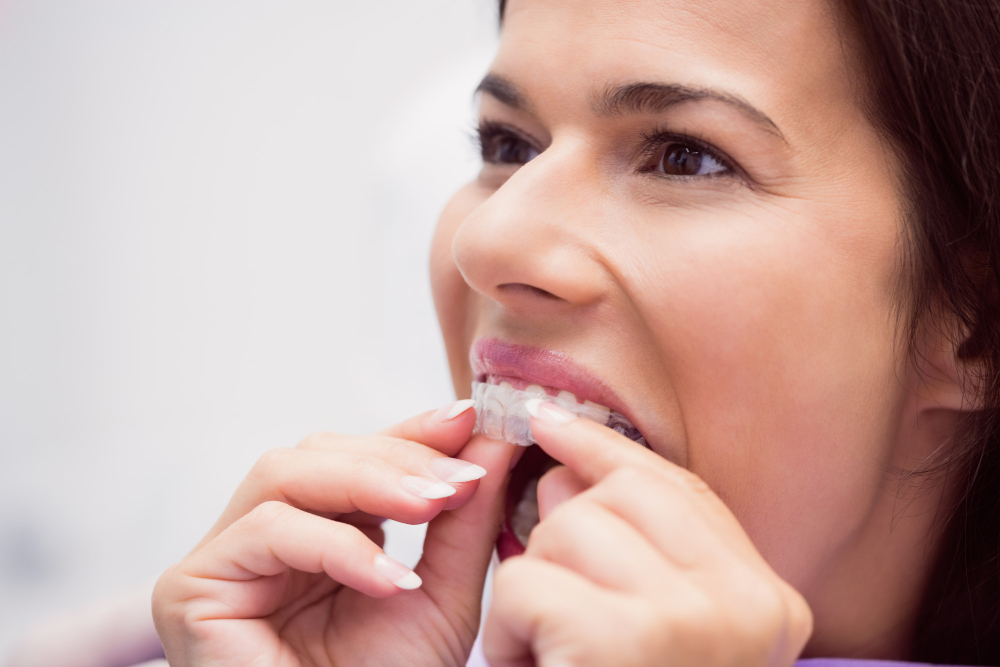
Night guards are special mouthpieces worn while you sleep. They create a barrier between your upper and lower teeth. As a result, they help protect teeth from grinding and reduce jaw strain. Night guards do not stop bruxism, but they prevent damage caused by it. Many dentists recommend them for people with teeth grinding at night.
Types of Night Guards
There are several types of night guards available. Each type has its own benefits. The main types include:
Although custom-fitted guards cost more, they offer the best comfort and protection. You can ask your night guard dentist near you for advice on which type is best.
Benefits of Using Night Guards
Using a dental night guard has many benefits. For example, it can:
Because night guards are easy to use, many people find relief quickly. According to the American Dental Association, night guards are a safe and effective way to manage bruxism.
Tips for Managing Bruxism at Home
While night guards help protect your teeth, you can also try these tips at home:
Additionally, remind yourself to keep your jaw relaxed during the day. Over time, these habits can help reduce teeth grinding at night.
Prevention and Lifestyle Guidance
Preventing bruxism may not always be possible. However, making healthy lifestyle choices can lower your risk. For instance:
Because early action is key, these steps can help protect teeth from grinding and keep your mouth healthy.
When to See a Dentist
If you notice signs of bruxism, do not wait to seek help. See a dentist if you have:
Early treatment can prevent serious problems. Your dentist can recommend the best night guard and offer advice on how to stop bruxism.
In summary, bruxism can harm your teeth and jaw, but night guards offer strong protection. Consult a dentist for personalized advice on managing bruxism and choosing the right night guard for you.