
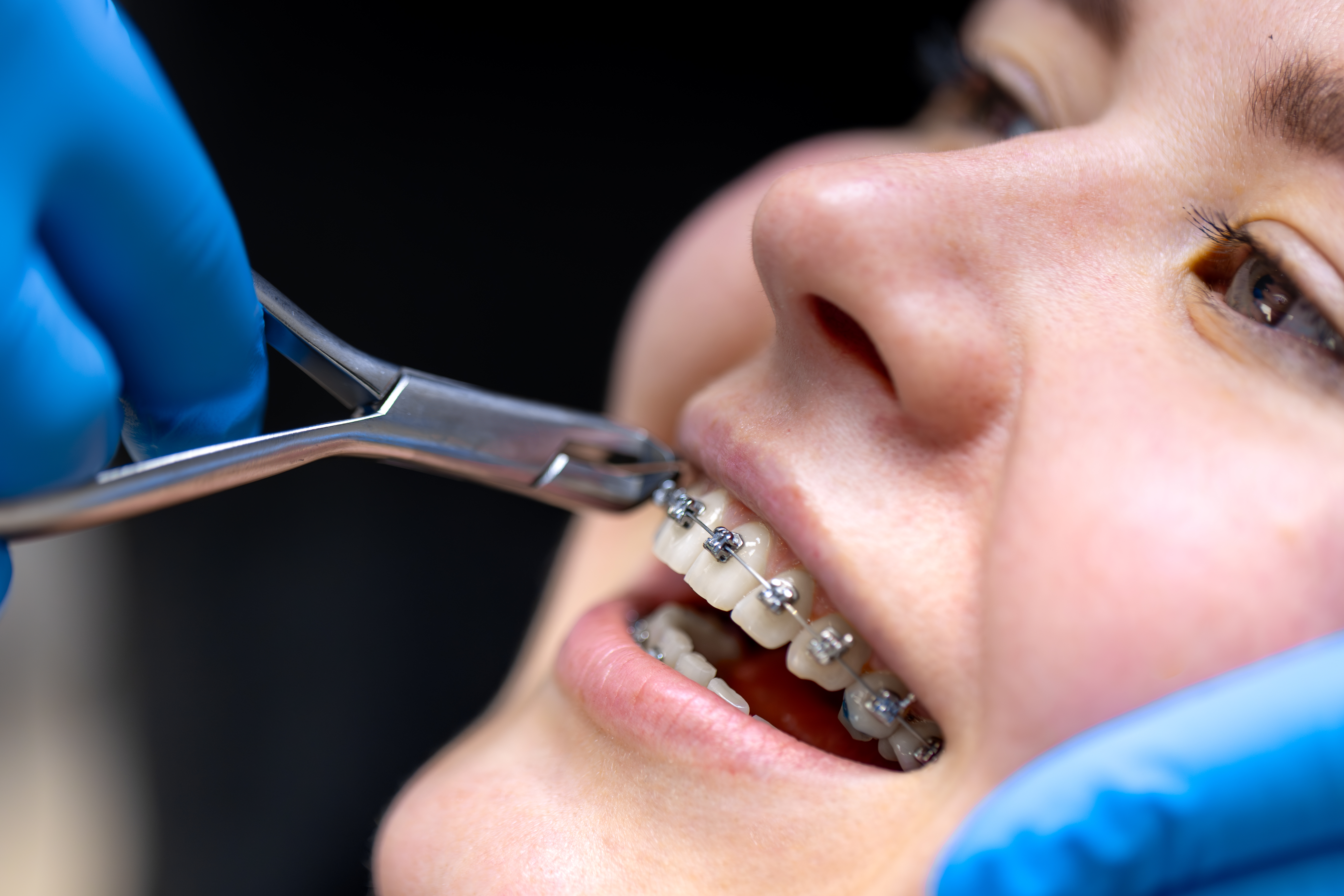
What Are Braces?
Braces are dental devices that help straighten teeth. They also fix bite problems and improve your smile. Many people get braces during their teenage years. However, adults can benefit from braces too. Dentists and orthodontists use braces as part of orthodontic treatment. Braces use gentle pressure to move teeth into better positions over time.
Common Reasons for Getting Braces
Many people need braces for different reasons. For example, some have crooked teeth. Others may have gaps or crowded teeth. Sometimes, the upper and lower teeth do not fit together well. This is called a bite problem. Here are some common reasons for getting braces:
Fixing these issues can make chewing easier. It can also help you keep your teeth clean and healthy.
Types of Braces
There are several types of braces available today. Each type has its own benefits. Your orthodontist will help you choose the best one for your needs. Here are the most common types of braces:
Each type of braces has pros and cons. For example, metal braces are very effective, but clear aligners are more discreet.
How Braces Work
Braces work by applying gentle, steady pressure to your teeth. Over time, this pressure moves teeth into the right position. Wires and brackets guide the teeth. Sometimes, rubber bands or springs are used to help with movement. As a result, your teeth and jaw slowly shift to create a healthy bite and smile.
The Braces Procedure: Step-by-Step
Getting braces is a process that takes several steps. Here is what you can expect during the braces procedure:
Each step is important for a successful orthodontic treatment.
Caring for Your Braces
Proper care is key to getting the best results from braces. With good habits, you can avoid problems and keep your teeth healthy. Here are some braces care tips:
Good care helps prevent cavities and keeps your braces working well.
Potential Risks and Side Effects
Most people have a smooth experience with braces. However, some risks and side effects can occur. For example, you may feel mild pain or discomfort after adjustments. Other possible issues include:
Usually, these problems are minor and go away with time. If you have severe pain or broken parts, contact your orthodontist.
Tips for Living with Braces
Living with braces takes some getting used to. But, with a few tips, you can make the process easier:
With these tips, you can stay comfortable and protect your braces.
How to Prevent Problems with Braces
Preventing problems is easier than fixing them. Therefore, follow these steps to keep your braces in good shape:
By being careful, you can avoid delays in your orthodontic treatment.
When to See an Orthodontist
It is important to see an orthodontist if you notice problems with your teeth or bite. For example, if your teeth are crowded or you have trouble chewing, make an appointment. Children should see an orthodontist by age 7, according to the American Dental Association. However, adults can start treatment at any age. If you are interested in braces treatment in your city, look for a qualified orthodontist near you.
In summary, braces can help you achieve a healthy, beautiful smile. Consult a qualified orthodontist to discuss if braces are right for you.