
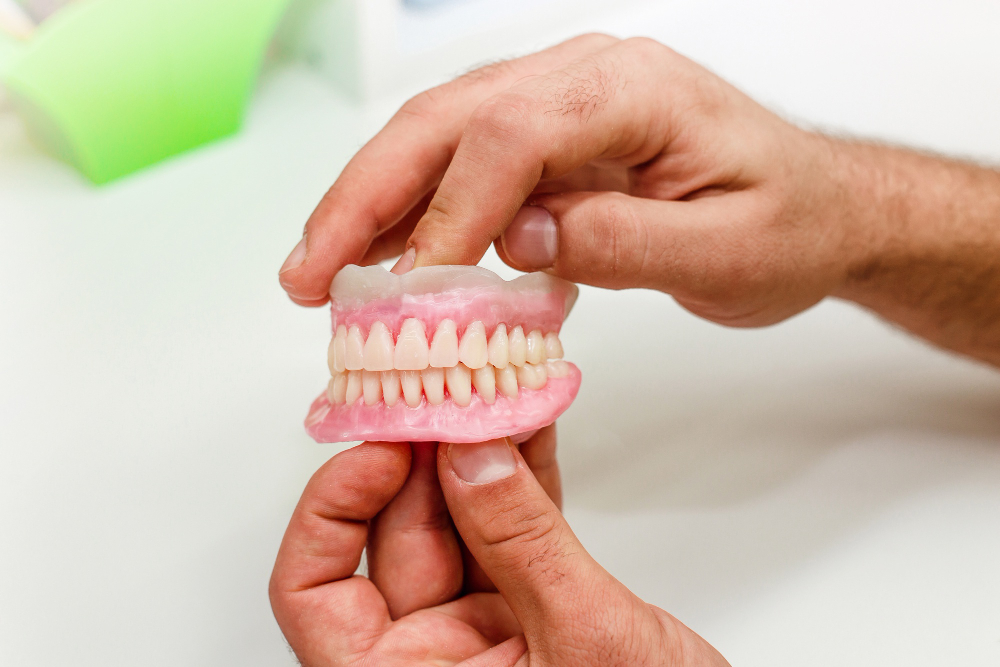
Choosing the right tooth replacement can feel confusing. Many people compare dental implants vs fixed partial dentures when looking for the best solution. Both options help restore your smile and improve chewing. However, they work in different ways. In this guide, you will learn about each option, their benefits, and what to consider before making a decision.
What Are Dental Implants?
Dental implants are artificial tooth roots. Dentists place them into your jawbone. Over time, the bone grows around the implant, holding it firmly. After healing, a crown is attached to the implant. This crown looks and feels like a natural tooth. According to the American Dental Association, dental implants are a popular tooth replacement option because they are strong and long-lasting.
What Are Fixed Partial Dentures?
Fixed partial dentures are also called dental bridges. They fill the gap left by missing teeth. Dentists attach the bridge to the teeth on either side of the gap. These supporting teeth are called abutment teeth. The bridge stays in place and does not come out. Many people choose fixed partial dentures because they offer a quick way to restore a missing tooth.
Key Differences Between Dental Implants and Fixed Partial Dentures
Pros and Cons of Dental Implants
Pros and Cons of Fixed Partial Dentures
Who Is a Good Candidate for Each Option?
Not everyone is a candidate for every tooth replacement option. For dental implants, you need healthy gums and enough bone in your jaw. People who smoke or have certain health problems may not be good candidates. On the other hand, fixed partial dentures are suitable for those who want a quicker solution. If you have healthy teeth next to the gap, a bridge may work well. However, your dentist will check your mouth and health before recommending the best option.
Cost Comparison and Longevity
Cost is an important factor for many people. Dental implants usually cost more upfront. However, they can last 10 years or longer with good care. Fixed partial dentures cost less at first. But, they may need to be replaced every 5 to 10 years. Over time, the total cost may be similar. Still, implants often offer better long-term value. According to dental journals, implants have a high success rate and patient satisfaction.
Care and Maintenance Tips
Proper care helps both options last longer. For dental implants, brush and floss daily. Visit your dentist for regular check-ups. For fixed partial dentures, clean under the bridge with special floss or brushes. Avoid biting hard foods that could damage your dental restoration. With good habits, you can keep your new teeth healthy and strong.
Frequently Asked Questions
In summary, both dental implants and fixed partial dentures are good dental restoration choices. Each has its own benefits and drawbacks. For the best results, consult a dental specialist to determine the best tooth replacement option for your needs.