
Introduction
Dental veneersent is a dental procedure that helps improve the look of your teeth. Many people choose dental veneersent to fix chipped, stained, or uneven teeth. Because it can boost your confidence, dental veneersent is popular in cosmetic dentistry. In fact, many dentists recommend it for a brighter, more even smile. This guide will explain what dental veneersent is, why it matters, and how it can help you.
Symptoms and Signs
Sometimes, you may notice signs that suggest you could benefit from dental veneersent. For example, you might see:
However, not everyone will have all these signs. If you notice any of these, it may be time to talk to a dentist.
Causes and Risk Factors
Many things can lead to the need for dental veneersent. For instance, teeth can become damaged from accidents or injuries. In addition, habits like grinding your teeth or biting hard objects can cause chips or cracks. Sometimes, stains from coffee, tea, or smoking do not go away with regular cleaning. Genetics can also play a role, as some people are born with uneven or small teeth. Because of these factors, dental veneersent can be a good solution for many people.
Diagnosis Process
First, your dentist will check your teeth and gums. They may ask about your dental history and any problems you have noticed. Next, the dentist will take X-rays or make molds of your teeth. This helps them plan the best treatment for you. After that, you and your dentist can discuss if dental veneersent is right for your needs. If you have gum disease or tooth decay, these issues must be treated first.
Treatment Options
There are different types of dental veneersent. The most common are porcelain and composite resin veneers. Each type has its own benefits:
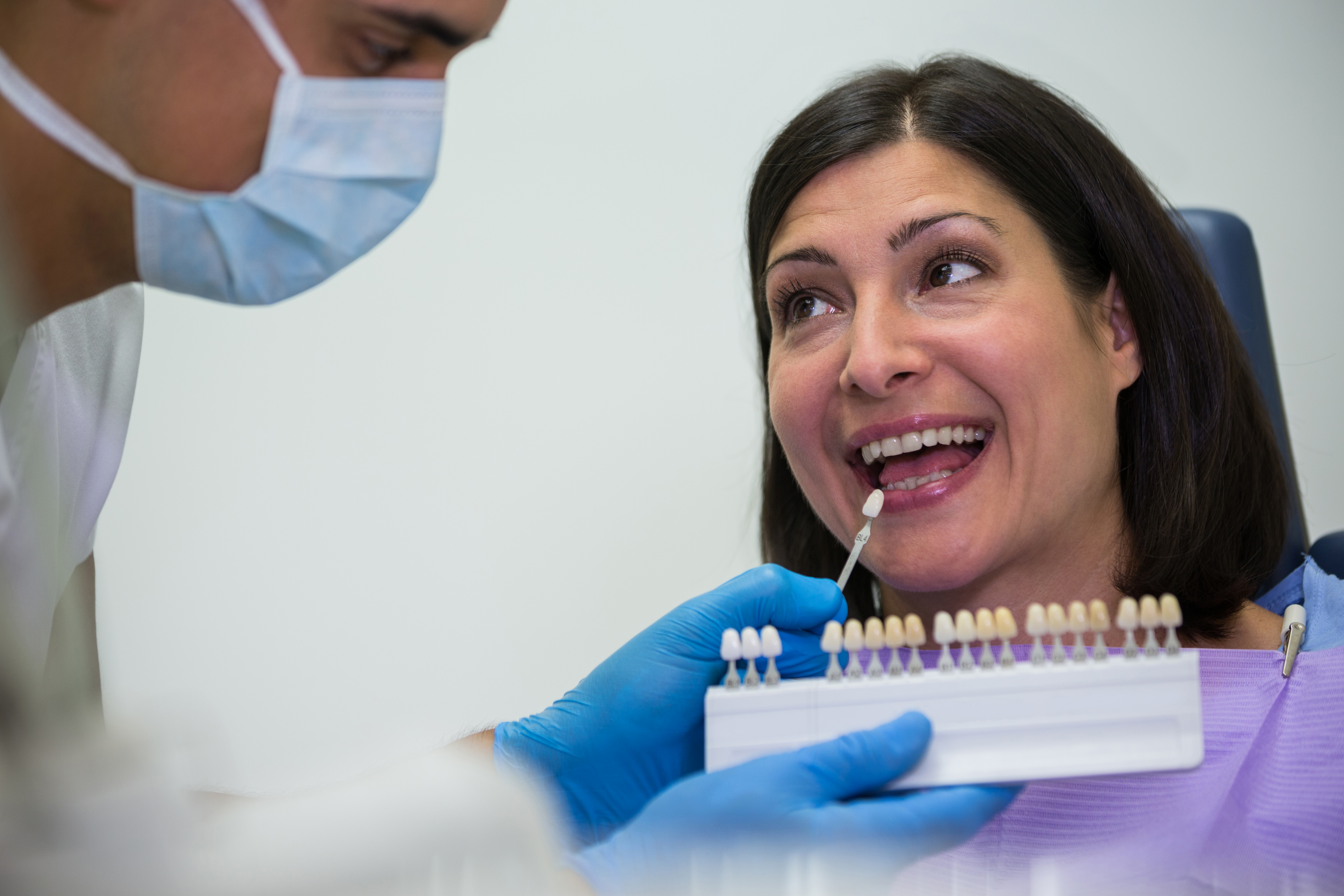
The dentist will prepare your teeth by removing a small amount of enamel. Then, they will take a mold and send it to a lab. Once the veneers are ready, the dentist will bond them to your teeth. The whole process usually takes two or three visits.
Lifestyle Tips and Aftercare
After getting dental veneersent, you should take care of your new smile. For example, you should:
With good care, dental veneersent can last many years. However, you should let your dentist know if you notice any changes or discomfort.
Prevention Strategies
While dental veneersent can fix many problems, it is best to prevent damage in the first place. To help protect your teeth, you can:
Because prevention is easier than treatment, these habits can help you keep your natural teeth healthy.
Frequently Asked Questions
For more information, you can visit trusted sources like the American Dental Association or the World Health Organization.
Consult a dental specialist for personalized advice on dental veneersent.