
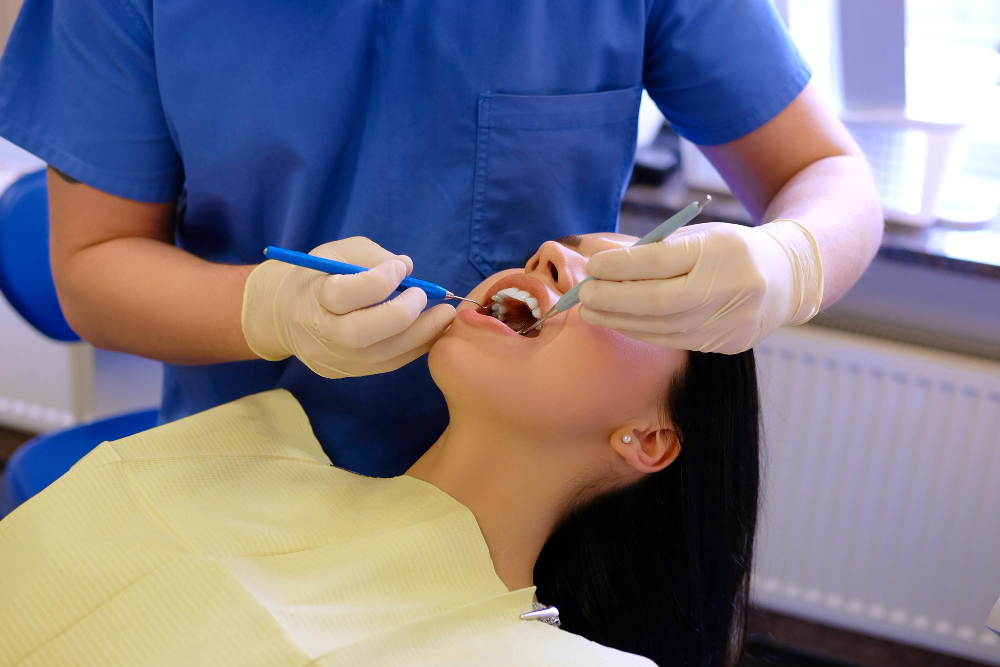
What is Full Mouth Rehabilitation (FMR)?
Full Mouth Rehabilitation (FMR) is a dental treatment that rebuilds or replaces all teeth in your mouth. It aims to restore your ability to chew, speak, and smile with ease. Often, FMR combines several dental procedures to fix teeth, gums, and bite problems. Because it addresses many issues at once, it can greatly improve your oral health and quality of life. Many people choose FMR to regain comfort and confidence in their daily lives.
Common Symptoms and Signs Indicating the Need for FMR
Sometimes, your mouth may show signs that you need Full Mouth Rehabilitation. Early attention can prevent bigger problems. Look out for these symptoms:
If you notice any of these signs, it may be time to talk to a dentist about FMR.
Causes and Risk Factors Leading to FMR
Many factors can lead to the need for Full Mouth Rehabilitation. Some causes develop slowly, while others happen suddenly. Common reasons include:
Additionally, poor oral hygiene, smoking, and certain health conditions can increase your risk. Regular dental check-ups help catch these issues early.
Diagnosis: How Dentists Assess the Need for FMR
First, your dentist will listen to your concerns and symptoms. Next, they will examine your teeth, gums, and jaw. Dentists often use X-rays, photos, and dental impressions to get a clear picture. Sometimes, they may check how your teeth fit together when you bite. After gathering all the information, your dentist will discuss the best treatment plan for you. This careful process ensures that FMR meets your unique needs.
Treatment Options and Procedures Involved in FMR
Full Mouth Rehabilitation often combines several dental treatments. Each plan is tailored to the patient. Common procedures include:
Because every mouth is different, your dentist will explain which options are best for you. Sometimes, treatment happens in stages for comfort and safety.
Benefits: Restoring Function, Comfort, and Confidence
Full Mouth Rehabilitation offers many benefits. Not only does it improve how your teeth work, but it also boosts your self-esteem. Key benefits include:
As a result, many people feel more comfortable and confident in social and work settings.
Recovery, Aftercare, and Lifestyle Tips
After FMR, proper care is important for healing and long-term success. Your dentist will give you clear instructions. For a smooth recovery, follow these tips:
With good care, your new smile can last for many years.
Prevention: Maintaining Oral Health After FMR
Keeping your mouth healthy after Full Mouth Rehabilitation is key. To prevent future problems, try these steps:
By following these habits, you can protect your investment and enjoy a healthy smile.
Conclusion
Full Mouth Rehabilitation (FMR) can restore your dental function, comfort, and confidence. If you notice signs like pain, missing teeth, or trouble chewing, do not wait. Consult a qualified dentist to discuss if Full Mouth Rehabilitation is right for you.
Sources: World Health Organization (WHO), Centers for Disease Control and Prevention (CDC), Journal of Prosthetic Dentistry