
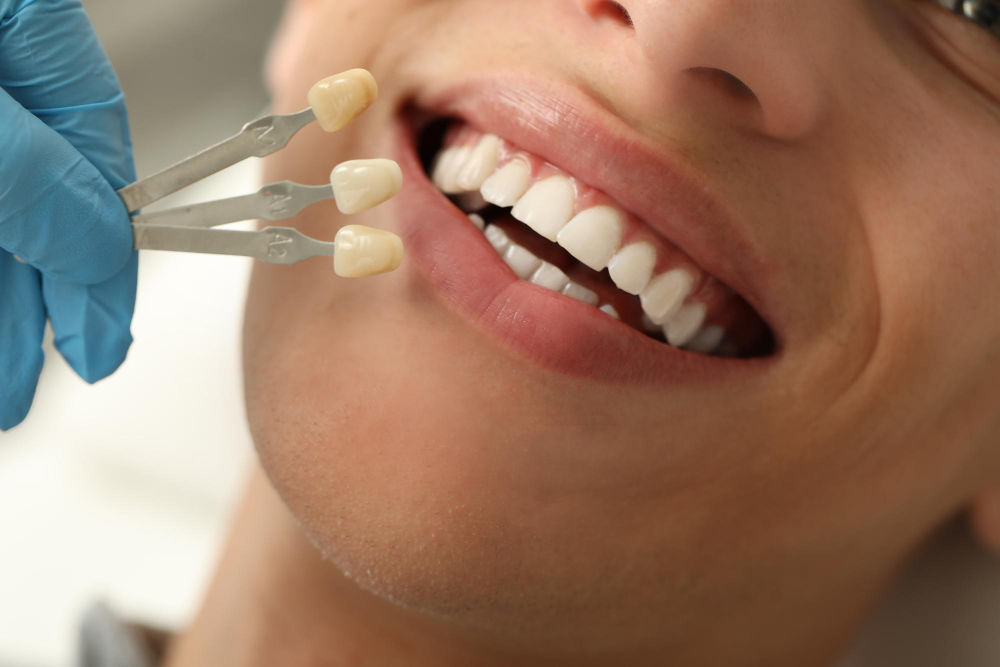
What Are Dental Veneers?
Dental veneers are thin, custom-made shells that cover the front of your teeth. Usually, they are made from porcelain or resin. Because they look natural, many people choose veneers for a smile makeover. Dentists use veneers to fix chipped, stained, or uneven teeth. In fact, this cosmetic dental procedure is popular for those wanting a brighter, more even smile.
Benefits of Dental Veneers
There are many reasons people choose dental veneers. For example, they can:
Additionally, porcelain veneers resist stains better than natural teeth. As a result, your smile can stay bright for years.
Step-by-Step Guide to the Dental Veneer Procedure
Understanding how dental veneers work can help you feel more comfortable. Here is a simple step-by-step guide to the dental veneer procedure:
Usually, the whole process takes two or three visits. However, some clinics offer same-day veneers using advanced technology.
Aftercare and Recovery Tips
Once your veneers are in place, caring for them is easy. Still, you should follow these tips to keep your smile healthy:
With good care, porcelain veneers can last 10 to 15 years or more. However, you may need replacements over time.
Risks and Considerations
While dental veneers are safe for most people, there are some things to consider. For instance, the process is not reversible because enamel is removed. Also, veneers can chip or crack if you bite hard objects. Sometimes, your teeth may feel more sensitive to hot or cold foods. According to the American Dental Association, not everyone is a good candidate for veneers. If you have gum disease or weak teeth, your dentist may suggest other options.
Frequently Asked Questions
Conclusion
Dental veneers offer a simple way to improve your smile. Because the procedure is safe and effective, many people choose it for a smile makeover. However, it is important to talk with a qualified dentist before making a decision. Consult a qualified dentist to find out if dental veneers are right for you.