
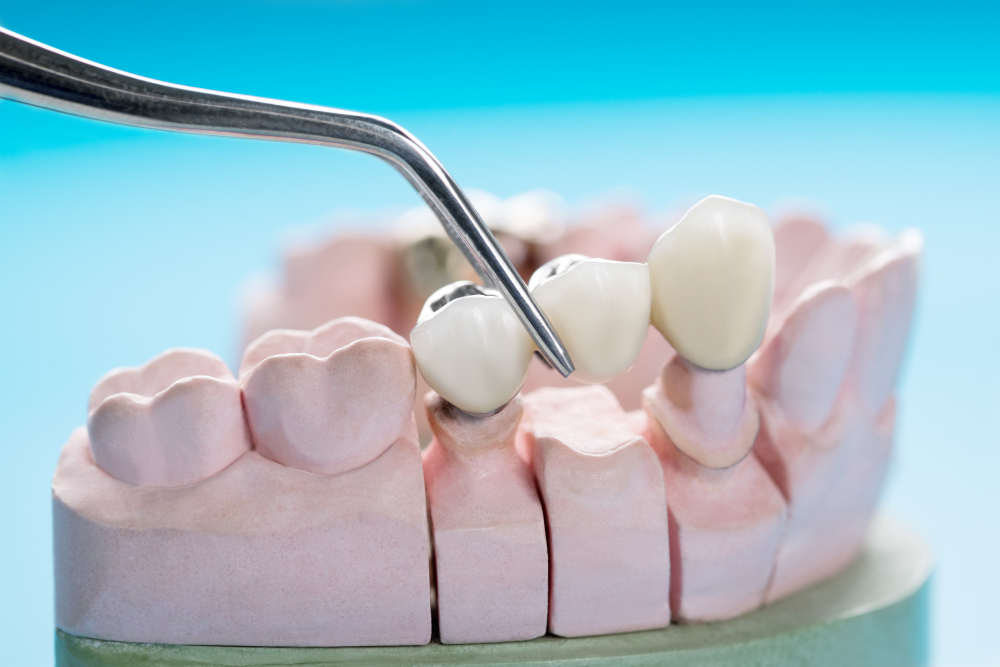
What Is a Dental Bridge?
A dental bridge is a device that replaces one or more missing teeth. It uses nearby teeth for support. Dentists often recommend a dental bridge to fill gaps in your smile. According to the experts, bridges help restore your bite and keep your mouth healthy. If you have lost a tooth, a dental bridge may be an option for you.
How Does a Dental Bridge Work?
First, your dentist checks your mouth and teeth. Next, they prepare the teeth next to the gap. These teeth, called abutment teeth, hold the bridge in place. Then, the dentist takes a mold of your mouth. This mold helps create a custom bridge that fits well. Finally, the dentist attaches the bridge to the abutment teeth. As a result, you get a natural-looking smile and better chewing ability.
Pros of Dental Bridges
Dental bridges offer many benefits. For example, they can:
Because of these dental bridge benefits, many people choose them to replace missing teeth.
Cons of Dental Bridges
However, dental bridges also have some disadvantages. These include:
So, it is important to weigh these dental bridge disadvantages before making a decision.
Who Should Consider a Dental Bridge?
Not everyone is a good candidate for a dental bridge. You may consider a bridge if you:
Still, your dentist will check your mouth and health before recommending a dental bridge. If you live in a city with many dental clinics, you can ask about dental bridge options in your area.
Alternatives to Dental Bridges
Sometimes, a dental bridge may not be the best choice. In that case, you can consider other options. For instance, dental implants are a popular choice. Implants do not need support from nearby teeth. They last longer but cost more. Another option is a removable partial denture. This device can be taken out for cleaning. When comparing dental bridge vs implant, think about your needs, budget, and health. Your dentist can help you choose the right option.
Tips for Caring for a Dental Bridge
Proper care helps your dental bridge last longer. Here are some tips:
Because good care is key, ask your dentist how to care for a dental bridge in your daily routine.
Frequently Asked Questions
How long does a dental bridge last?
Most dental bridges last 5 to 15 years. With good care, some last even longer.
Is a dental bridge painful?
Getting a dental bridge is usually not painful. Your dentist uses numbing medicine during the procedure.
Can I eat normally with a dental bridge?
Yes, you can eat most foods. However, avoid very hard or sticky foods to protect your bridge.
Is a dental bridge right for me?
It depends on your mouth and health. Your dentist can help you decide if a dental bridge is right for you.
In summary, dental bridges offer many benefits but also have some drawbacks. Because every mouth is different, consult a qualified dentist to find out if a dental bridge is right for you.